Galicia is a captivating, misty corner of northwestern Spain defined by a lush, emerald landscape, dramatic Atlantic coastline and deep Celtic roots. This soulful region is celebrated for its ancient port cities, world‑renowned seafood, historic paradors, and the famous Camino de Santiago pilgrimage route. I was fortunate to be invited by the Tourism Board of Spain to tour the Galicia region and its treasures, and I’m so pleased to share the highlights of this magical eight‑day trip for future travelers and Camino pilgrims.
My biggest takeaways
- There are more than 10 routes of the Camino de Santiago that all end in Santiago de Compostela but begin in different parts of Spain, as well as Portugal and France.
- You can take on the Camino on foot, by bike or on horseback.
- Make sure travelers (pilgrims) don’t rush their time in Galicia or on the Camino. Take breaks during the pilgrimage to stop and stay overnight in cities along the route you have chosen to fully understand the meaning of the Camino.
- Consider a few pre‑ or post‑Camino days in some of the amazing coastal and countryside towns throughout this breathtaking region.
Day 1: Tuesday, June 2 – Arrival & Rest at the Gateway to the Camino
The Journey Begins: Arriving at Santiago de Compostela Airport and checking in just minutes away to shake off the jet lag and prepare for an incredible eight‑day journey across Galicia and the Camino region.
Where We Stayed: Hotel Ruta Xacobea.
Color Commentary: For an arrival day, convenience is the ultimate luxury. Hotel Ruta Xacobea is a modest property that completely over‑delivers. Its location right by the airport makes arrival seamless, the rooms are wonderfully comfortable, and the beautiful on‑site restaurant serves truly excellent Galician food. It’s the perfect, stress‑free launching pad before a Camino or Galicia itinerary begins.
Advisor Tip: For clients looking for a more traditional, historic ambiance right out of the gate, the nearby Pazo San Xordo is a stunning alternative manor house option to keep on your radar.
Day 2: Wednesday, June 3 – The Dramatic Northern Coast to Vilalba
Daily Flow: Santiago ➔ Ribadeo ➔ Vilanova de Lourenzá ➔ Mondoñedo ➔ Vilalba.
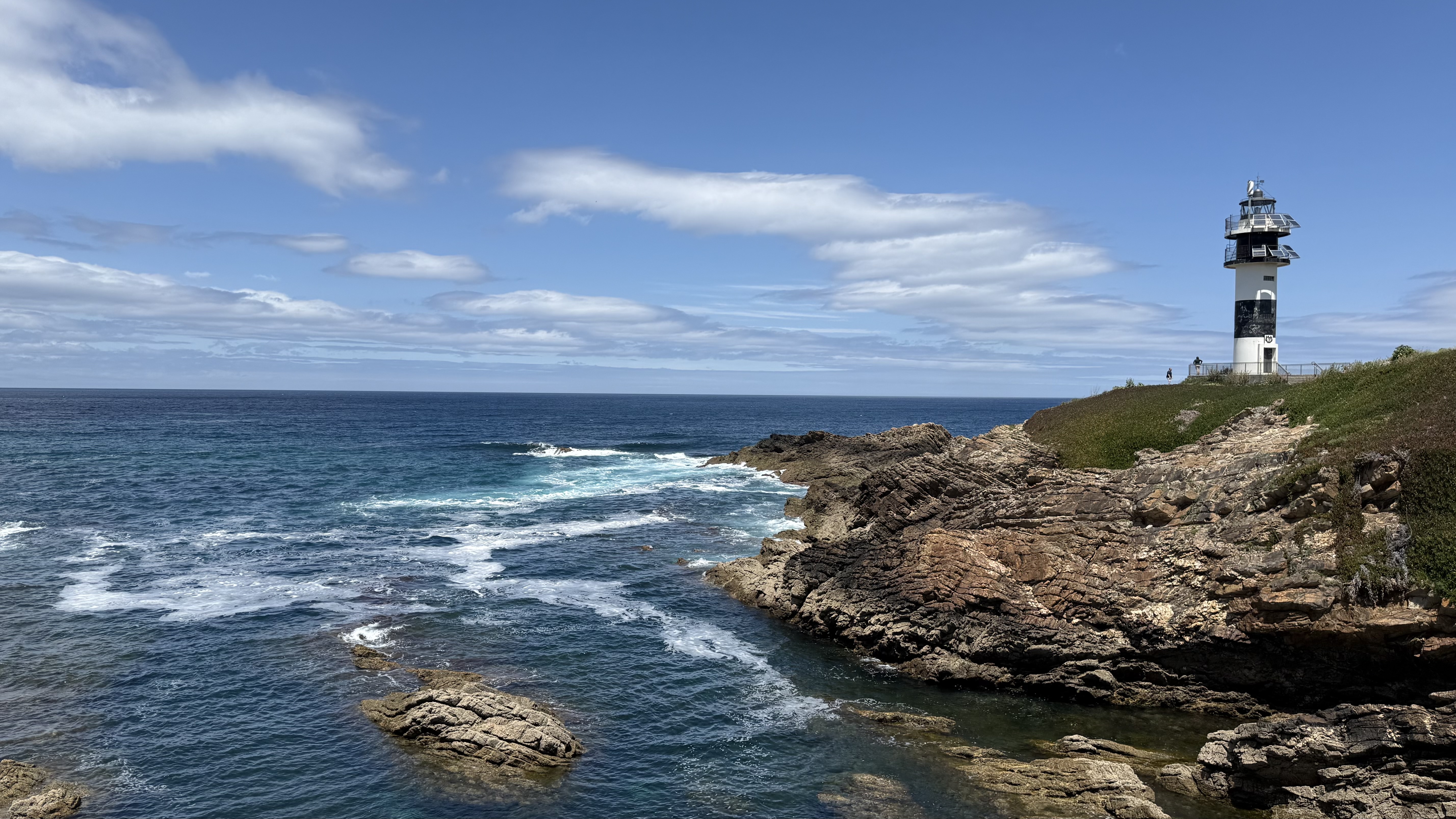
The Sightseeing: Walking among the colossal, cathedral‑like stone arches of Playa de las Catedrales on the Cantabrian Sea, or exploring the rugged isolation of Isla Pancha and its lighthouse. Stepping back in time at the Monastery of San Salvador in Vilanova de Lourenzá and at the historic watermills of Barrio de los Muíños in Mondoñedo.
The Flavors: A coastal lunch in Rinlo featuring freshest‑catch seafood, followed by dinner at the Parador de Vilalba, showcasing the region's famous San Simón cheese.
Where We Stayed: Parador de Vilalba (built around a magnificent former medieval keep tower).
Color Commentary: Today was a masterclass in regional contrast—going from the wild, wind‑sculpted Atlantic cliffs of Ribadeo to the tranquil, timeless artisan streets of Mondoñedo. The food effortlessly mirrored the landscape: pristine seafood by the ocean, followed by rich, smoky local cheeses inland.
Advisor Property Note: The Parador de Vilalba is a dream for history lovers. Sleeping in a converted medieval keep tower offers that authentic, high‑end sense of place that discerning Camino and Galicia clients crave.
Day 3: Thursday, June 4 – Art, Monks, and “The Land of Cheese”
Daily Flow: Vilalba ➔ Sobrado dos Monxes ➔ Arzúa ➔ Santiago.
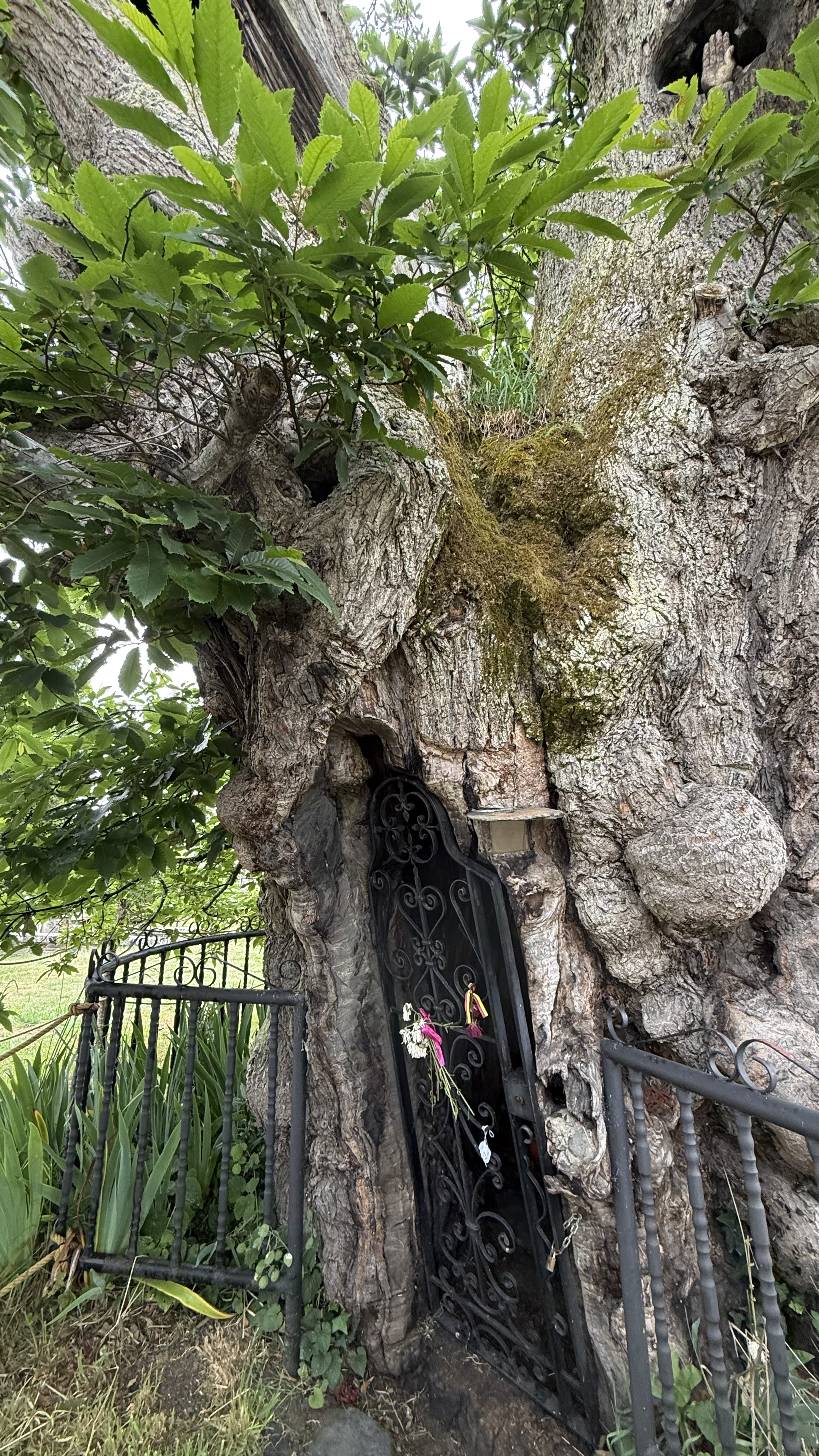
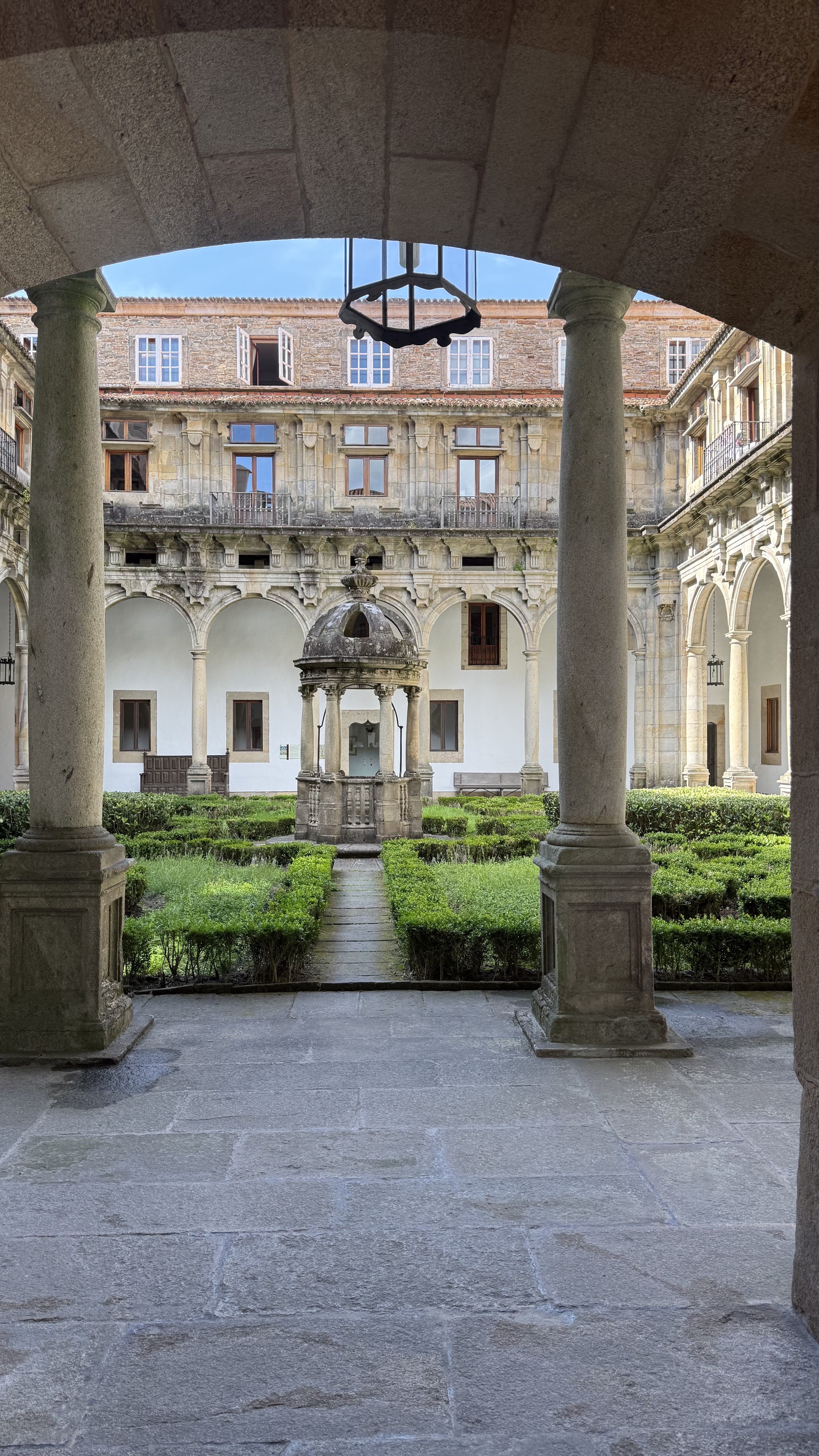
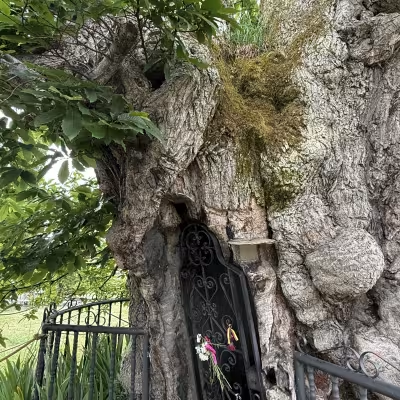
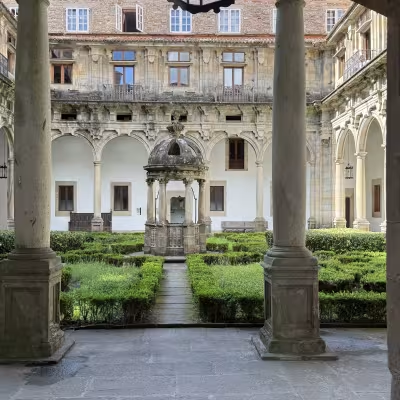
The Sightseeing: Spotting the unique stone pinnacles of San Xoán de Alba cemetery. Stopping in Baamonde to marvel at the 17th‑century Calvary and the famous centenary chestnut tree, beautifully hand‑carved from the inside by artist Víctor Corral to protect it from destruction. Exploring the serene Pilgrims' Cloister at the Cistercian Monastery of Sobrado dos Monxes.
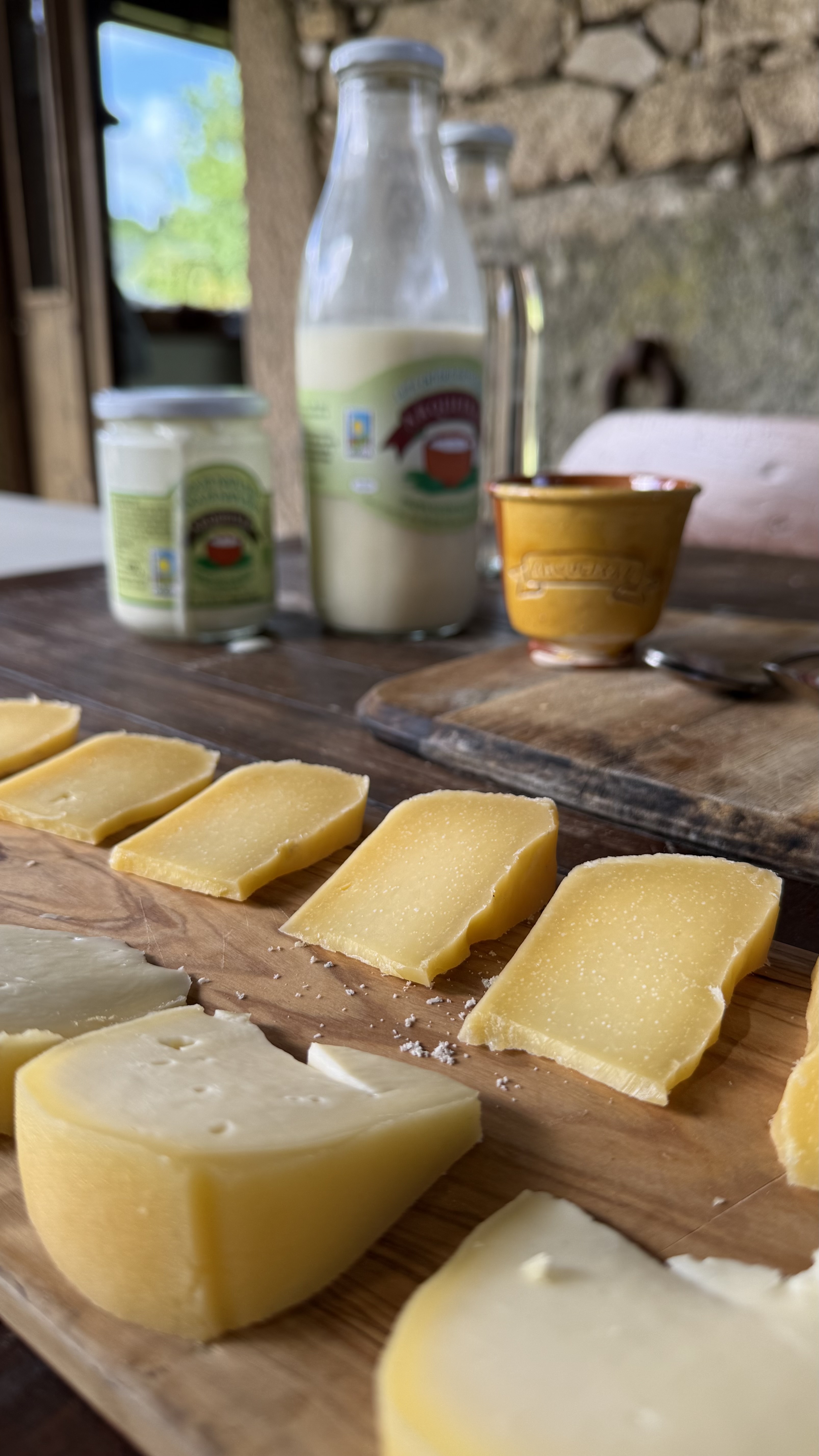
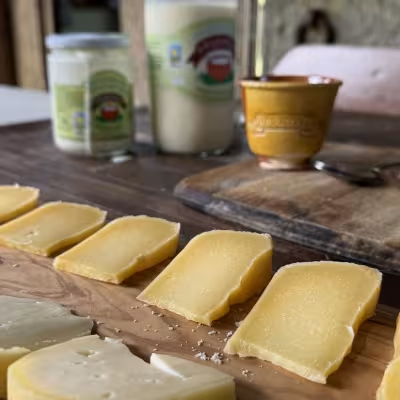
The Flavors: A hyper‑local lunch in Arzúa (“the land of cheese”) paired with an exclusive visit to a traditional cheese and honey farm.
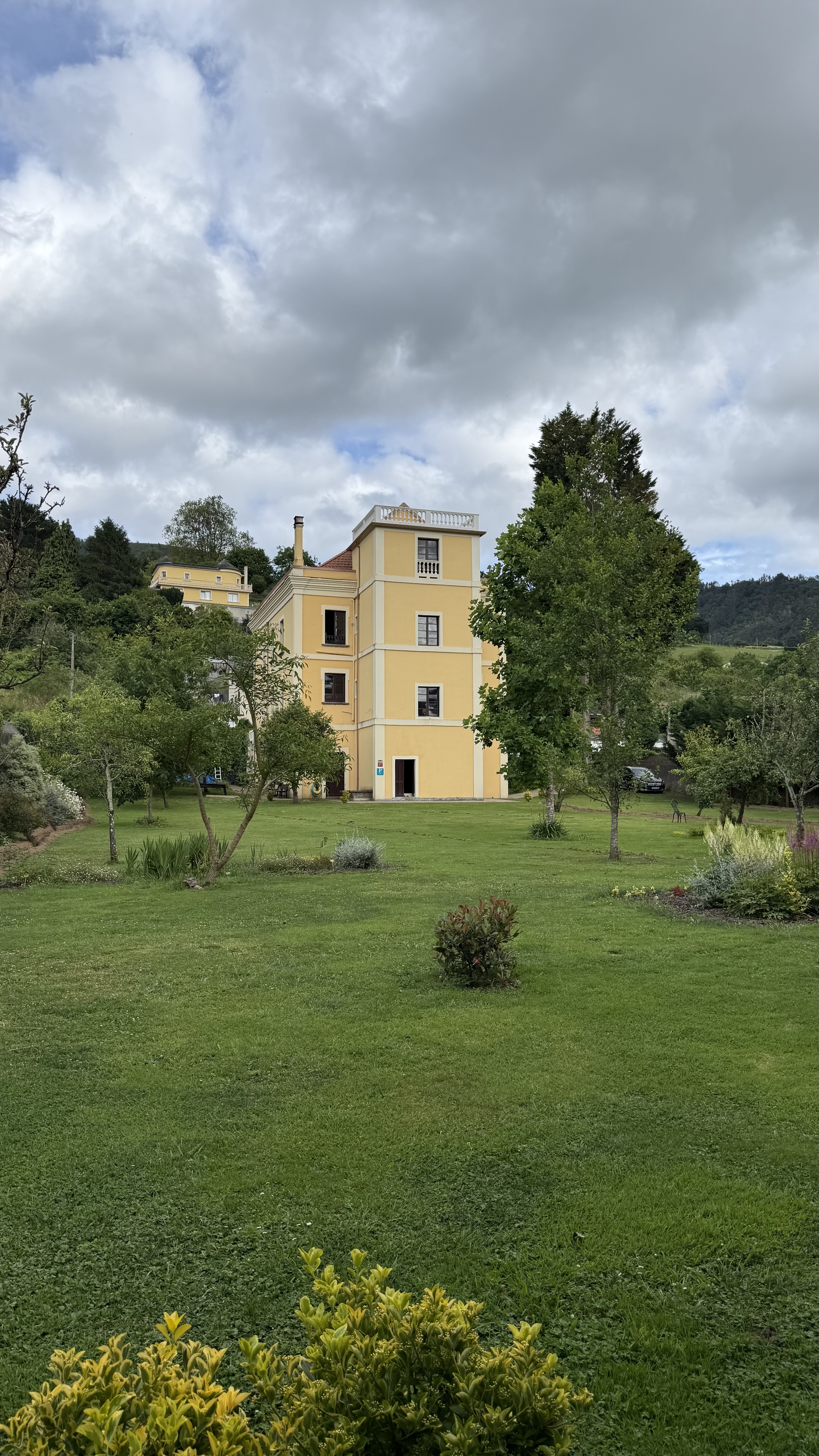
Where We Stayed: Hotel Los Abetos, Santiago.
Color Commentary: The carved chestnut tree in Baamonde is the kind of hidden, soulful secret that makes independent land travel in Galicia so rewarding. Standing in the quiet cloisters of Sobrado dos Monxes, you truly begin to feel the historical weight and spiritual peace that has drawn travelers and pilgrims here for centuries.
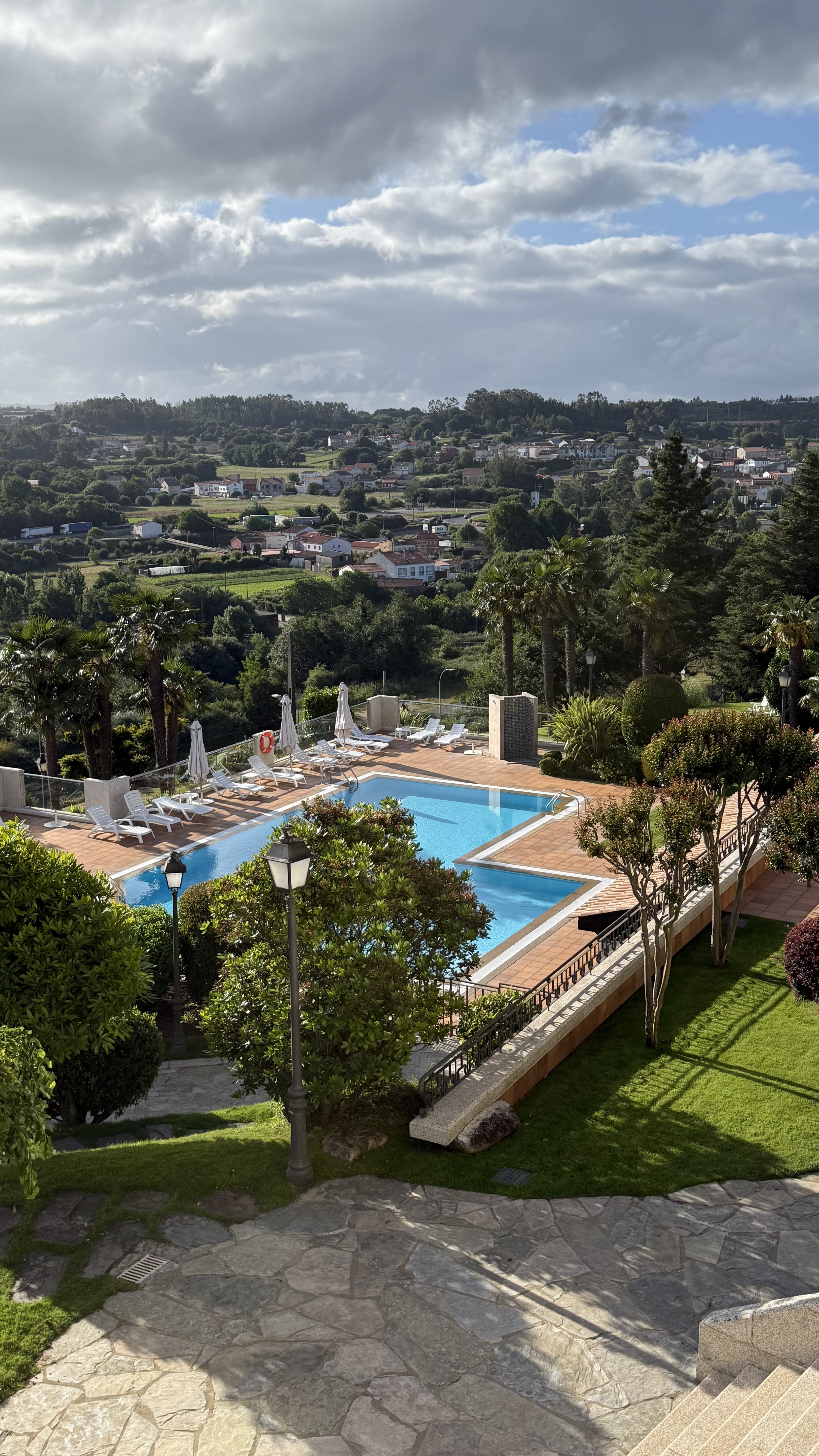
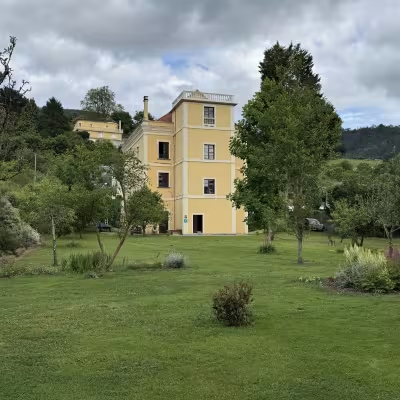
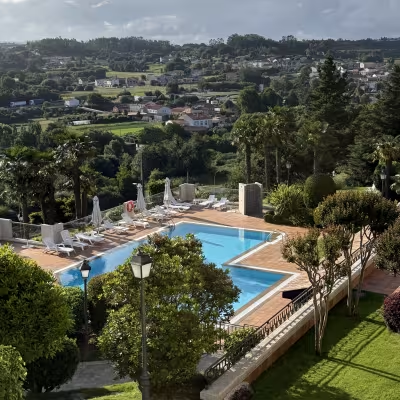
Advisor Property Note: Returning to Santiago to stay at Hotel Los Abetos provides a wonderful upscale retreat. It acts as an excellent base for clients who want high‑quality amenities, gardens and a peaceful atmosphere just outside the bustling historic city center.
Day 4: Friday, June 5 – From Border Towns to Atlantic Viewpoints
Daily Flow: Santiago ➔ Tui ➔ A Guarda ➔ Oia ➔ Baiona.
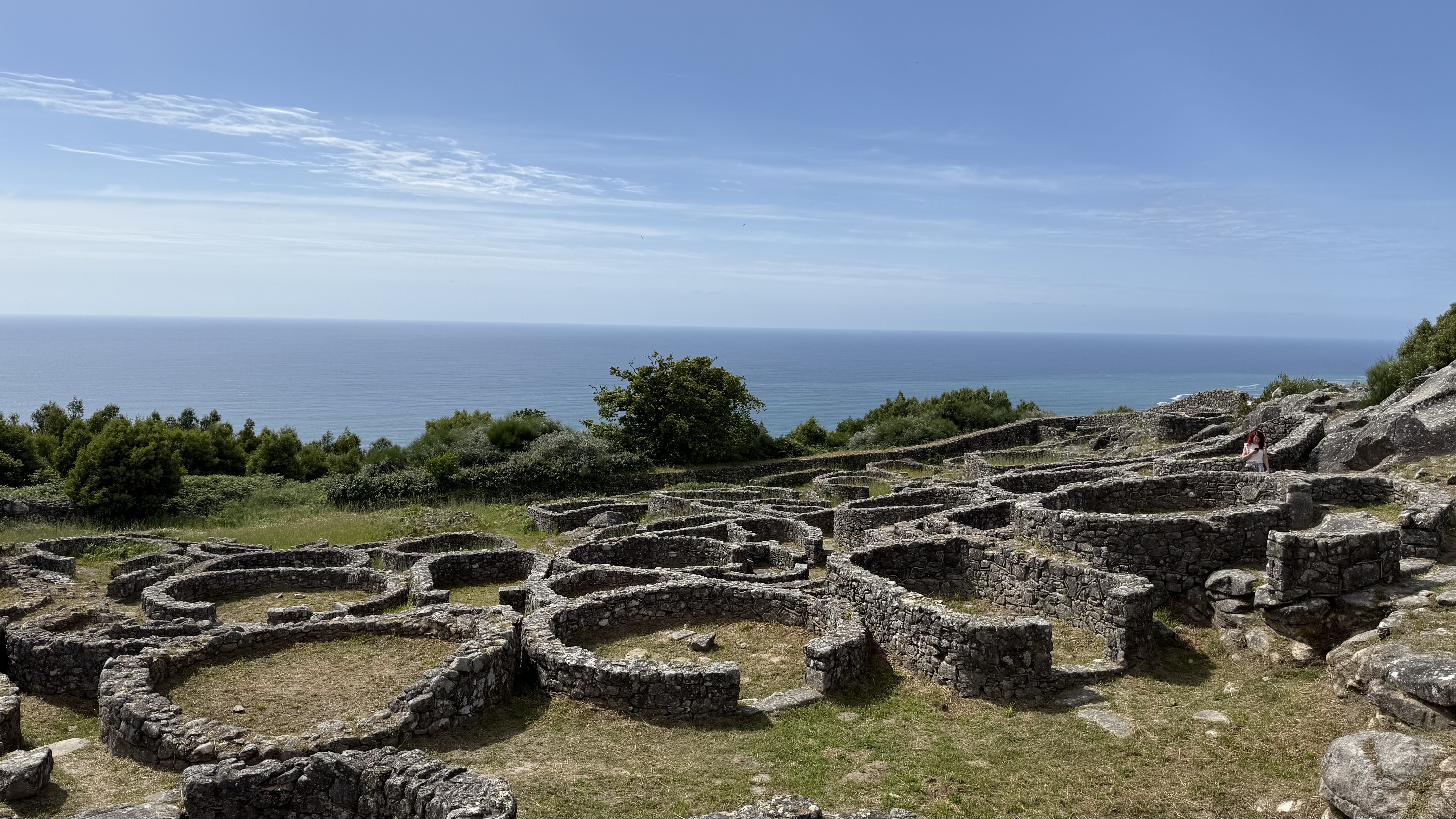
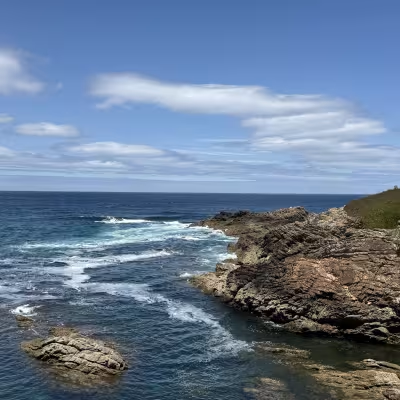
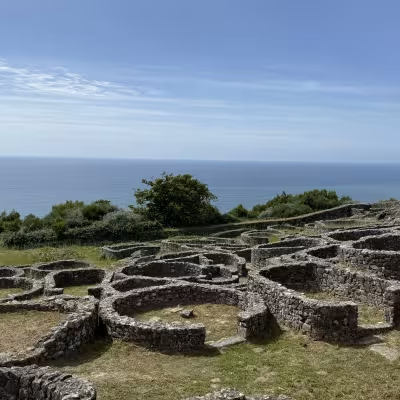
The Sightseeing: A walking tour through the medieval, stone‑paved streets of the historic border town of Tui on the Minho River. Climbing high up Santa Tecla Hill to witness a jaw‑dropping panoramic view where the Atlantic Ocean meets the river border of Spain and Portugal, surrounded by an impressive pre‑Roman hillfort settlement. A scenic coastal drive passing the rugged cliffs of Oia and Cape Silleiro into the elegant port town of Baiona on the Rías Baixas.
The Flavors: An elegant, seasonal lunch at the Parador de Tui, followed by a coastal dinner featuring the fresh catch of the Rías Baixas.
Where We Stayed: Parador de Baiona (or consider a beautiful coastal alternative like Hotel Los Robles).
Color Commentary: Standing atop Santa Tecla Hill, looking down at the ancient Celtic ruins with Portugal just across the water, is an absolute core memory. The transition to Baiona offers a spectacular taste of the Rías Baixas—where the maritime air is crisp, the history is rich, and the seafood is world‑class.
Advisor Property Note: The Parador de Tui and Parador de Baiona are spectacular case studies in historic preservation. For clients who value architecture, the Parador de Baiona—housed within a walled fortress jutting out into the ocean—presents an unbeatable, dramatic sense of arrival in coastal Galicia.
Day 5: Saturday, June 6 – The Heart of the Rías Baixas to Caldas de Reis
Daily Flow: Baiona ➔ Vigo ➔ Pontevedra ➔ Caldas de Reis.
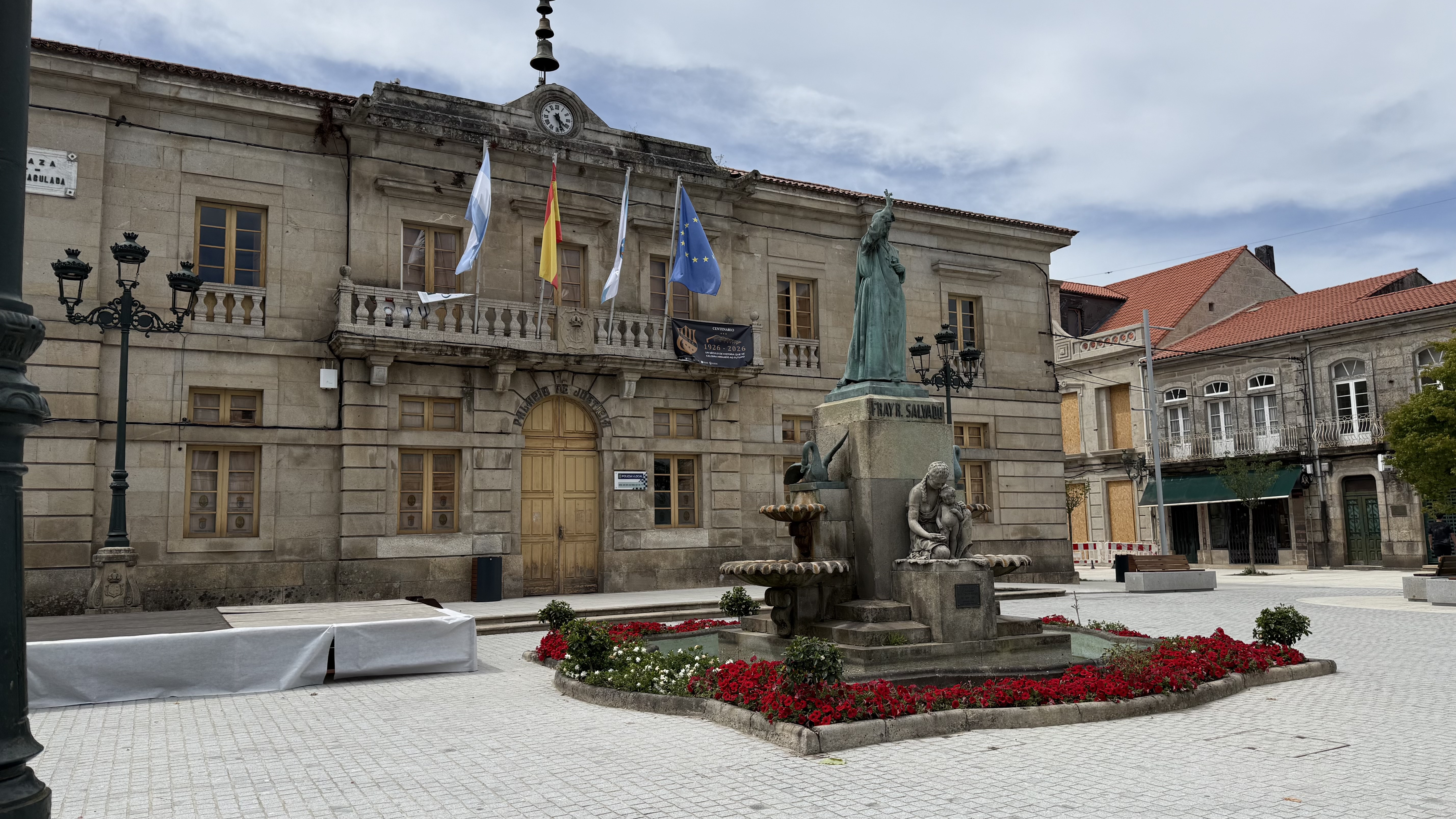
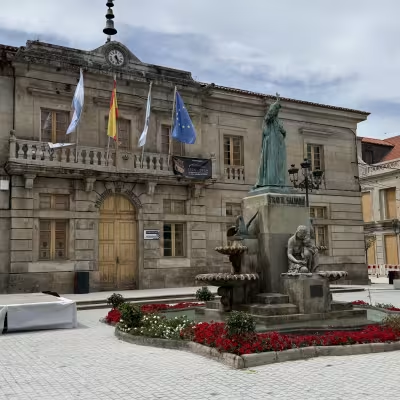
The Sightseeing: A morning stroll along Samil Beach, looking out at the pristine, protected Cíes Islands. Exploring Vigo’s historic Berbés fishermen’s quarter and the manicured gardens of the Quiñones de León manor house. A late‑afternoon walk through Pontevedra's intimate, stone‑paved old‑quarter squares, including Praza da Ferrería and Praza da Leña.
The Flavors: A traditional, effortlessly fresh Galician lunch in Vigo (at local staples like El Mosquito or Casa Marco), followed by an authentic dinner in the thermal village of Caldas de Reis.
Where We Stayed: Torre do Río (or an upscale boutique option like Pousada Real or Casa Herrería) in Caldas de Reis.
Color Commentary: Pontevedra is a revelation for travelers who love walkable, historic European cities—its completely car‑free old quarter feels like an elegant, open‑air living room. Ending the day in the thermal town of Caldas de Reis brings a perfect, unhurried sense of rest and physical rejuvenation to the itinerary.
Advisor Property Note: Properties like Torre do Río offer an incredibly intimate, bespoke experience. It’s a beautifully restored textile mill nestled right on the river—a perfect example of those “five‑star soul” accommodations that feel less like a hotel and more like a private, luxurious sanctuary.
Day 6: Sunday, June 7 – Thermal Springs, Ancient Mooring Sites, and the Holy City
Daily Flow: Caldas de Reis ➔ Padrón ➔ Santiago de Compostela.
The Sightseeing: Starting the morning by crossing the historic Bermaña River bridge and visiting the Burgas thermal spring fountain in Caldas de Reis. Journeying to Padrón to step inside the Church of Santiago and view the Pedrón do Apóstol, the ancient Roman altar where tradition says St. James’ disciples moored the stone boat carrying his remains. Arriving back in Santiago for an evening stroll through Alameda Park and past the majestic Hostal dos Reis Católicos.
The Flavors: A hyper‑seasonal lunch in Padrón (home of the famous Padrón peppers), followed by an exquisite dinner at a culinary standout like A Horta do Obradoiro in Santiago.
Where We Stayed: Virxe da Cerca (or a beautifully situated boutique alternative like Hotel Compostela).
Color Commentary: Padrón perfectly bridges the gap between myth and history. Standing right where the disciples supposedly moored their stone boat brings the ancient roots of the Camino vividly to life, adding incredible depth to the journey just before you make your own final “arrival” into Santiago.
Advisor Property Note: Staying at a property like Virxe da Cerca is an absolute treat for clients. An 18th‑century former bank and residence, it offers a peaceful historic sanctuary, complete with a hidden garden, right on the doorstep of Santiago's vibrant old town.
Day 7: Monday, June 8 – The Grand Finale: Elation in Santiago de Compostela
Daily Flow: A full day exploring the historic capital of Galicia and the culmination of the Camino de Santiago.
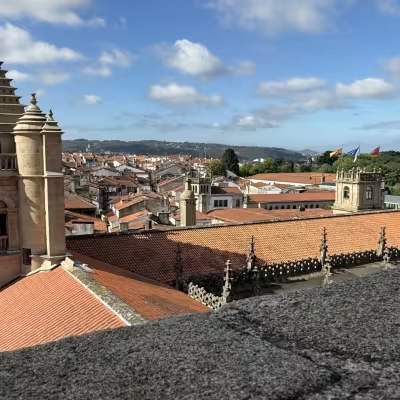
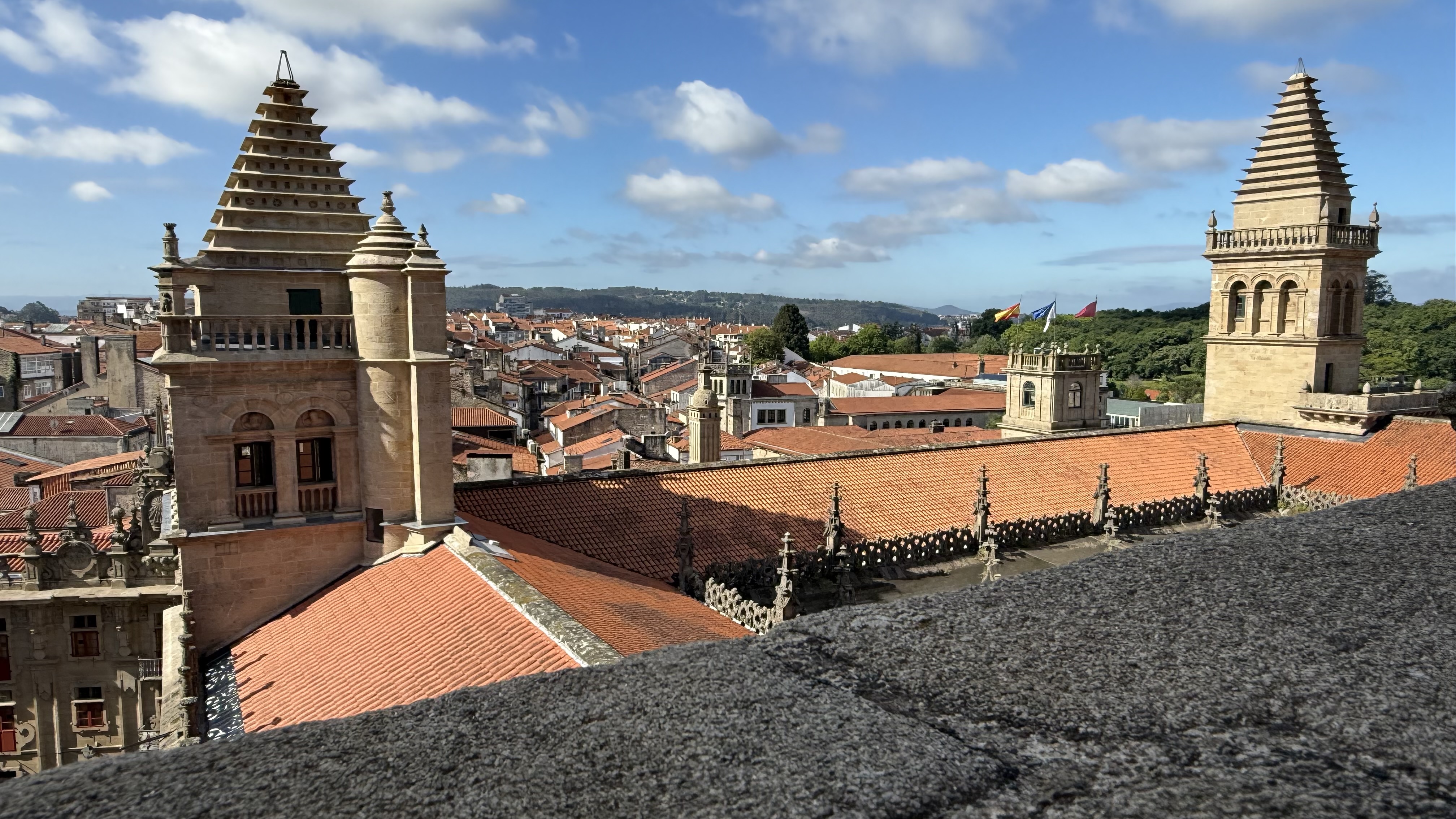
The Experience: An exclusive rooftop tour of the grand Santiago Cathedral, a viewing of the masterfully restored Portico of Glory, and attending the deeply moving Pilgrims' Mass.
Color Commentary: While the towering architecture and ancient art are spectacular, the true heart of today was the raw human emotion. Standing in Praza do Obradoiro, you are completely enveloped by the pure elation, rapture, and shared celebration of pilgrims completing a journey of hundreds of miles. Watching total strangers experience one of the happiest, most fulfilling moments of their lives—and seeing how passionate they are about sharing that joy with others—is an experience that standard luxury travel simply cannot replicate. It is the definition of travel with a soul.
Day 8: Tuesday, June 9 – Homeward Bound
Daily Flow: Final morning reflections over a fresh Galician breakfast before heading to the airport for return flights.
Color Commentary: Leaving Galicia, you carry away more than just photos; you take home a piece of the region's unhurried, thoughtful rhythm. From hyper‑local, seasonal farm‑to‑table meals to the profound human connections witnessed daily on the trail, this is a destination that leaves you deeply inspired and eager to return.
- Image
- Image
- Image
- Image
- Image
- Image
- Image
- Image
- Image
- Image